CUBA'S CAPONES
Top Dogs in Batista's
Casinos
[REF:
UNTOLD STORY: FIDEL CASTRO, Vol 1 No. 2, September 1960
p28]
[MEMO FROM THE PUBLISHER
The Editors of this magazine have tried to present all sides
of Castro,
the man, the rebel, the conqueror. We were impressed with
his
philosophy of reform, not so impressed with his carrying-out
of
justice. We have grave misgivings concerning his
reputed alliances
with Russia. But we feel that each reader must get the
whole picture
for himself before making any personal judgment. And
here it is, for
the first time, the whole UNTOLD STORY of Cuba's Fidel
Castro.]
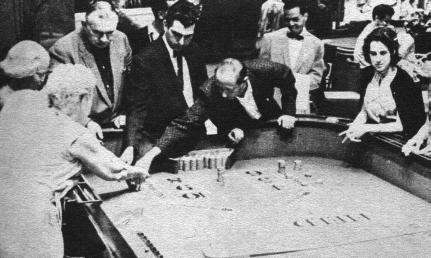
CUBA'S CAPONES
Top dogs in Batista's
casinos were the Syndicate
boys from the United
States–the ones who'd been
lucky enough to stay alive
during Capone's era.
[To
see a full size photo, right click and VIEW IMAGE]
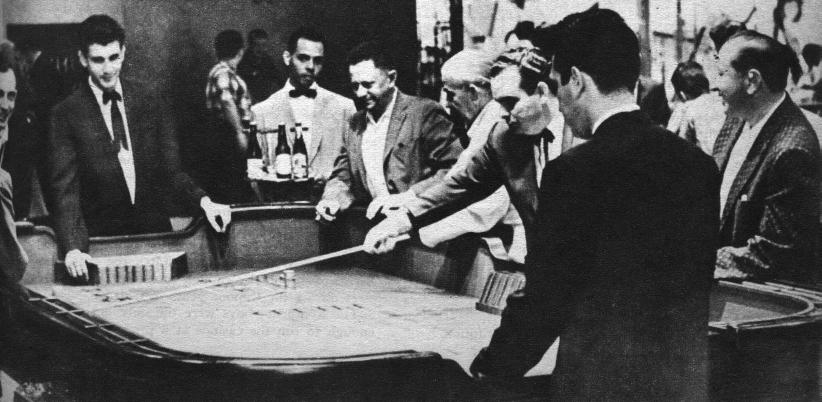
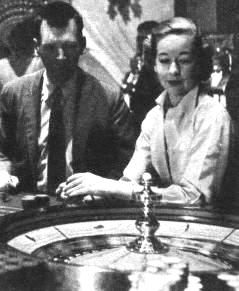
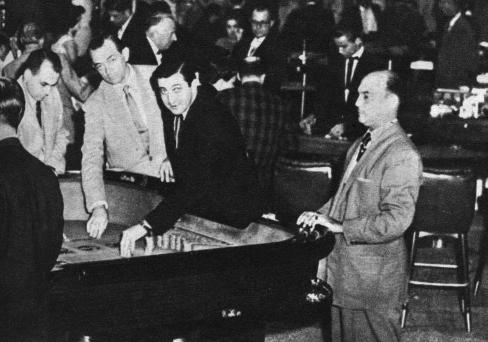
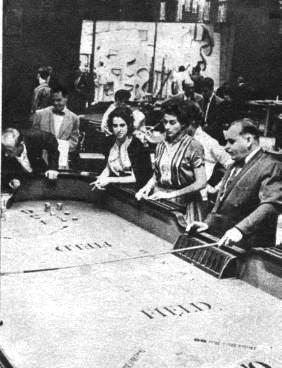
Gambling was a multi-million dollar industry --
the play ran over a million a night with no bet limits.
[To
see a full size photo, right click and VIEW IMAGE]
HAVANA went berserk on New Year's Day, 1959. Wild-eyed
young men
and women erupted from their homes into the streets.
Students
poured out of the campuses. Instead of recuperating
quietly from
the revels of New Year's Eve, Havanans flocked outdoors in
droves.
They cheered, they whistled, they danced in the streets when
they heard
that Batista, his family and cohorts had fled the country by
plane at
about two a.m.
The people surged toward downtown Havana. They carried
Cuban
flags and sang the national anthem. Car caravans
bedecked with
flags, the horns blowing, inched through the marchers.
In downtown Havana, the crowds reached a peak of excitement,
then raced
for the luxury hotels which housed the biggest gambling
casinos.
The casinos were prime targets of Castro. They were
run by
professional gamblers and gangsters from the United States
who had paid
the Batista regime huge sums for the privilege.
Batista's brother-in-law controlled all 10,000 slot machines
in Cuba,
which contributed million to the regime's bank
account. The slot
machines, symbols of the ousted leader, were especially
sought out by
the mobs.
Most of the demonstrators had never been able to afford the
high-priced
pleasures of the multi-million-dollar hotels. Now they
didn't
hesitate. With a roar they shoved their way into the
air-conditioned, deeply carpeted hotel lobbies and made for
the casinos.
The demonstrators were not there to place bets, but to wipe
out the
citadels of the corrupt and privileged classes. In the
huge
lobbies of the hotels, they finally found the doors to the
casinos–and
found them closed.
Rifle butts, clubs and lobby furniture pounded against the
solid doors
until the bars and locks gave way. Inside they found
roulette
tables, dice tables and card tables, hundreds of thousands
of dollars
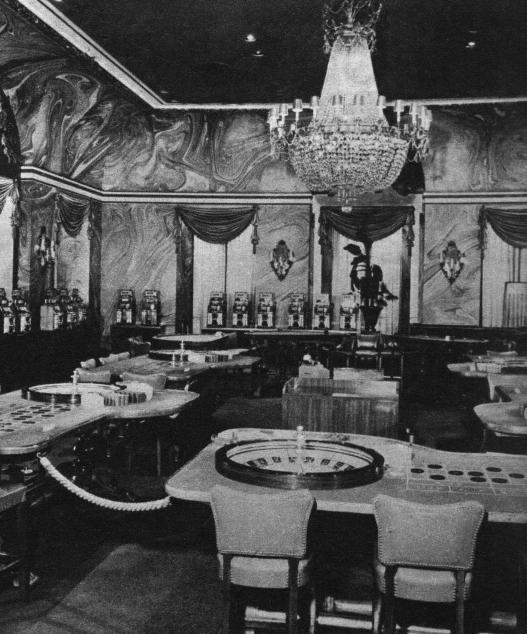
worth of gambling equipment in each casino. There were
fancy bars
with every kind of liquor available. On the floors
were deep-pile
carpets and overhead sparkled costly chandeliers.
With howls of revenge the mob set to work destroying the
playthings of
the rich. The slot machines were overturned and bashed
into
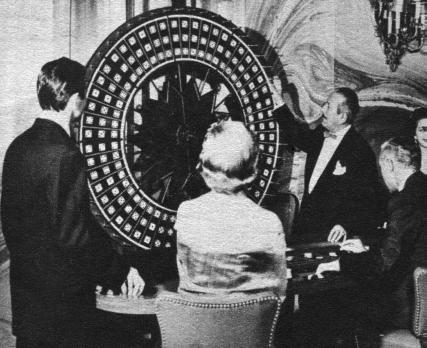
twisted hulks of metal. The roulette wheels and tables
were
broken into more parts than they had numbers.
The military and the police had wisely stayed in their
barracks.
The officers knew that their men would encourage and perhaps
join the
mobs. There was nothing and no one to prevent the
crowds from
taking the casinos apart from wall to wall. They
did.
Nothing was left usable or in one piece.
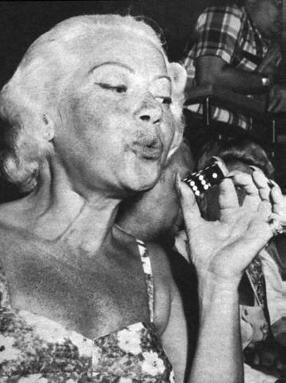
By the end of New Year's Day, there wasn't even a matched
pair of dice left in the casinos of Havana.
Fidel Castro had always hated gambling. He viewed it
as a
criminal waste of the nation's financial resources and, as
during the
heyday of Fulgencio Batista, as an invitation to
governmental graft and
corruption.
When Castro finally gained power in Cuba, he abolished
gambling in his
first batch of decrees. Then he learned the facts of
government
life–it was a losing bet to attempt running the country
without the
gambling revenue. Without the spinning wheel and the
click of the
bones, tourists would go elsewhere.
Thus, he legalized it again, just as the others before him
had, but he
added a new twist. The gambling is run under strict
supervision
of the government, and Castro has promised that any official
found
dipping his hand into the till will be punished most
severely.
None has been caught yet.
Two types of gambling predominated in the days before
Castro.
Both held opportunities for graft. There were the
games of
chances played in casinos, and the lottery run by the state.
The plush casinos and gambling houses in Cuba during the era
of Batista
were run by some of the Syndicate boys from the United
States, the ones
who had been smart or lucky enough to escape death as
gangsters during
the Capone years in Chicago.
The Syndicate boys were the only ones who knew enough to run
the
casinos at a profit. They were the best in their
business and
were considered respectable businessmen in Havana.
Instead of
using guns for protection, they paid government officials
for the right
to operate without trouble. It cost fantastic sums to
operate and
pay the government officials and taxes and still come out
with a
profit, but the gangsters had spent a lifetime learning
their trade and
proved in Cuba that they had graduate with honors.
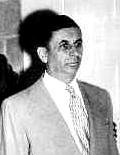
Top dog in the legitimate
gambling racket in Cuba was
Meyer Lansky,
known in the United States as the man whom Senator Kefauver
and
committee had dubbed as one of the top ten racketeers in
this
country. Lansky knew all the angles and he was very
happy when
Batista asked him to come out into the sunlight of
respectability and
set up the legalized gambling venture in Cuba.
Lansky brought to Cuba the cream of the gamblers from Las
Vegas, Reno,
and New York. His right-hand man was his brother Jake,
who was
installed as floor manager in the Hotel Nacional's
casino. Then
there was
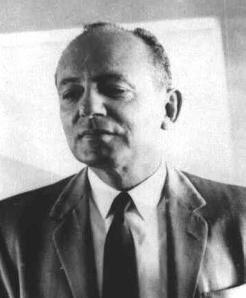 Santo (Louis Santos) Trafficante
 from
Florida, the Einstein
of the numbers game. Trafficante was given a
full interest
in the casino of the
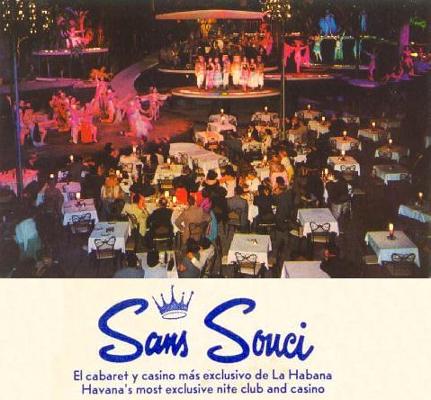 Sans Souci Hotel
,
with other big slices of the
gambling pies in the Comodoro and
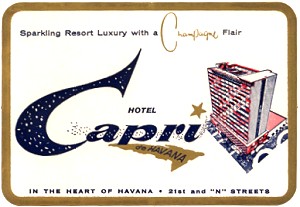 Capri Hotels
. Joseph
(Joe Rivers)
Silesi managed the business for Trafficante.
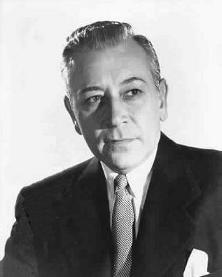 Actor George Raft
also bought a piece of the Capri.
There were others, too, floating around in the thick, rich
gambling
gravy of Cuba. Fat the Butch from New York's
Westchester County
presided over the dice tables in the Capri. Thomas
Jefferson
McGinty of Cleveland's underworld brought his special
talents to the
Nacional.
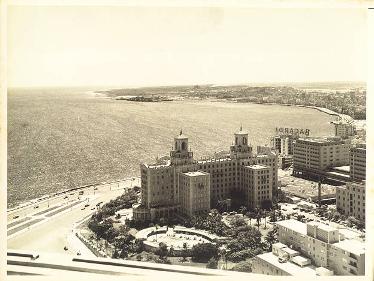
"Honesty is the best policy" was the slogan of these hoods
in
Cuba. They had learned that more money is made faster
when their
enterprises had good public relations. They donned
conservative,
made-to-order suits, white shirts and ties, and cleaned up
their
grammar. With government charters, there was no need
for gangland
slayings a la Capone to bump off the opposition – because
there was no
opposition.
The tourists and well-heeled Cuban customers in the casinos
had no need
to worry about loaded dice, stacked decks or a fixed
roulette
wheel. The theory of mathematical probability and the
laws of
chance assured the house of winning.
So the racketeers kept it clean...to the point of hustling
out of
their fancy dens any slick operators who wanted to fleece
the customers
with unchartered methods. When word of this reached
the United
States via Madison Avenue, the gambling boom was on in Cuba.
When the American tourist reached Havana after a five-hour
flight from
New York, he had a choice of about five multi-million-dollar
swank
hotels. There were also numerous nightclubs in Havana
which had
facilities for gambling. All were million-dollar-plus
establishment – Batista had changed the gambling laws in
1955 to allow
gambling rooms in any club or hotel worth a million.
His
government also helped finance the buildings and put up
millions to
help with construction. Import duties were waived on
materials
for hotel construction and Cuban contractors with the right
"in" made
windfalls by importing much more than was needed and selling
the
surplus to others for hefty profits.
These schemes were what had aroused the wrath of Castro and
the
citizens of Cuba. They saw their government
giving money
with little return expected; what should have been returned
to the
government coffers with interest went to line the pockets of
corrupt
officials.
The government was to get $25,000 for license plus twenty
percent of
the profits from each casino. What Batista and the "in
group" got
has never been certified. It was rumored that to get a
license a
fee for $250,000 and sometimes more was required under the
table.
Periodic payoffs were requested and received by the corrupt
politicians.
The slot machines in Cuba, even the ones which dispensed
small prizes
for children at country fairs, were the province of Roberto
Fernandez y
Miranda, Army general, government sports director and
Batista's
brother-in-law, Roberto, was also given the parking meters
in Havana as
a little something extra. Parking meters didn't fare
too well
when the rebels first came to town.
Cubans had never been trained for gambling operations on
such a large
scale, so pit bosses, dealers and stickmen were brought from
the United
States as "technicians," and in that category were allowed
to stay on
two-years visas. These men, veterans of the "working
class" of
illicit U.S. gambling, eventually turned into "teachers" for
the
Cubans. Their teaching certificates are on record in
police
blotters, courts and prisons throughout this country.
Now that Castro allows only Cubans to act as croupiers, the
Americans
stand by and tell the "students" what to do. Someday
soon, Cuba
will have its own sizable working class of gamblers.
The second major type of gambling in Cuba was the national
lottery
which had been started sometime in the dim past and reached
its finest
flower under Batista. The drawings in the lottery had
been only
once a week, but under Batista they were increased to a
daily
institution. Every night, all Cuba stopped activity at
9:30 to
listen to the radio, which punctually listed the winning
numbers.
Government printing offices were kept busy printing the
tickets and
astrologers and swamis flourished in picking lucky numbers
for their
superstitious clients.
Unofficial lotteries, called bolitas, were also encouraged
by
Batista. These tickets carried the same numbers as the
official
ones and paid off on the officially drawn numbers.
The police forces in Cuba, with moral codes which would
shock the most
corrupt cop in the U.S., shook down the bolita operators for
as much as
they could get. It increased their incomes
tremendously, which
created great loyalty to Batista.
On the margin of Cuban gambling activity were the bloody
afternoon
cockfights, the nightly
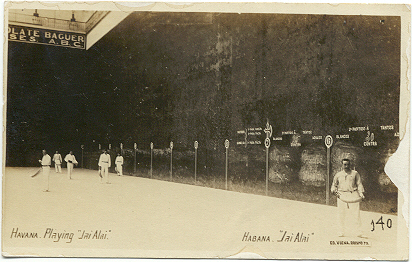 jai-alai
 contests,
and the
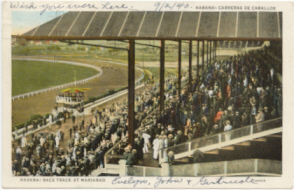 horse-racing
tracks. The tracks allowed many more betting
combinations than
those in the United States, including a Cuban form of
numbers betting,
different daily doubles and parlays. If this confused
the
tourist, he could always duck into the casinos at the tracks
for more
familiar types of betting.
This many-tentacled gambling octopus was what confronted
Fidel Castro
on his assumption of power. His strict moral sense
condemned it
all and, true to his pledge, he abolished it with a
proclamation.
Then his troubles began.
There in the heart of Havana, towering over the shores of
the
Caribbean, reflecting the sun and moonlight in the clear
air, stood
millions upon millions of dollars of brick and glass
enclosing
sumptuously decorated rooms and ball-rooms – all
empty. With no
gambling there were no tourists. The reports of the
turmoil in
Cuba had made many exchange their plane tickets for Puerto
Rico
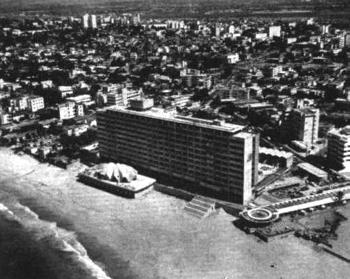 [La
Concha Hotel - San Juan 1958]
[La
Concha Hotel - San Juan 1958]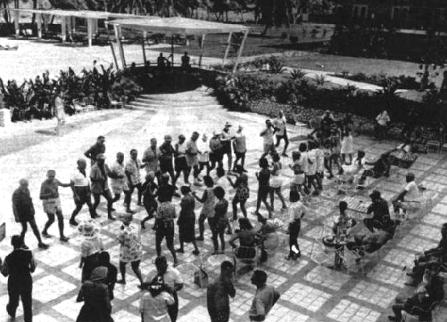
Jamaica
[Arawak Hotel in Jamaica 1959]
and other nearby vacation areas. Others went to Las
Vegas where
the wheels still turned and the dice rolled merrily.
So Fidel Castro made an about-face, issued another
proclamation, and
bingo, gambling came back to Cuba. The little ball
whirled around
the roulette wheel again and the cards were
reshuffled. The
government hired advertising agencies to tell the glad
tidings in
newspapers and magazines. They issued pamphlets and
brochures to
be distributed to customers by travel agencies. The
tourists
returned.
When they again walked into the casino they saw many new
faces, many
old ones. The big-shot gangsters had been sent packing
and agents
of the government ran the show. It wasn't as good a
show as
previously, but the tourist could still win a little and
lose a lot.
As tourist activity stepped up, so did Castro's accusations
against the
United States. Communism reared its red head.
Turmoil
didn't abate. Scare headlines topped the front pages
of American
newspapers. Again, the flow of tourists dried to less
than a
trickle. It is estimated now that tourists are down to
ten
percent of their former numbers.
What turn gambling will take in Cuba under Castro is unknown
now.
Cubans have always distrusted a government connected with
gambling. They have seen dictators and revolutionary
strongmen
come and go, and when they have gone, the money has gone
also.
Even the change of the lotteries into "investment plans," in
which
tickets are bonds payable in five years as well as on weekly
winning
numbers, with the money used to build roads and public
housing, has not
reassured Cuban observers.
If Castro continues legalized gambling, government
corruption and the old-line criminals are expected by many
to creep back in.
If Castro again abolishes gambling, the government
investment of
millions in hotels and nightclubs and casinos will be lost
as will the
tourists.
For Castro, it's a losing bet either way.
End of Page
Copyright
1998-2014 Cuban Information Archives. All Rights
Reserved.